Black Paws
Blog

How to help an adopted dog get used to a new home

Black PawsBlack Paws
How to help an adopted dog get used to a new home
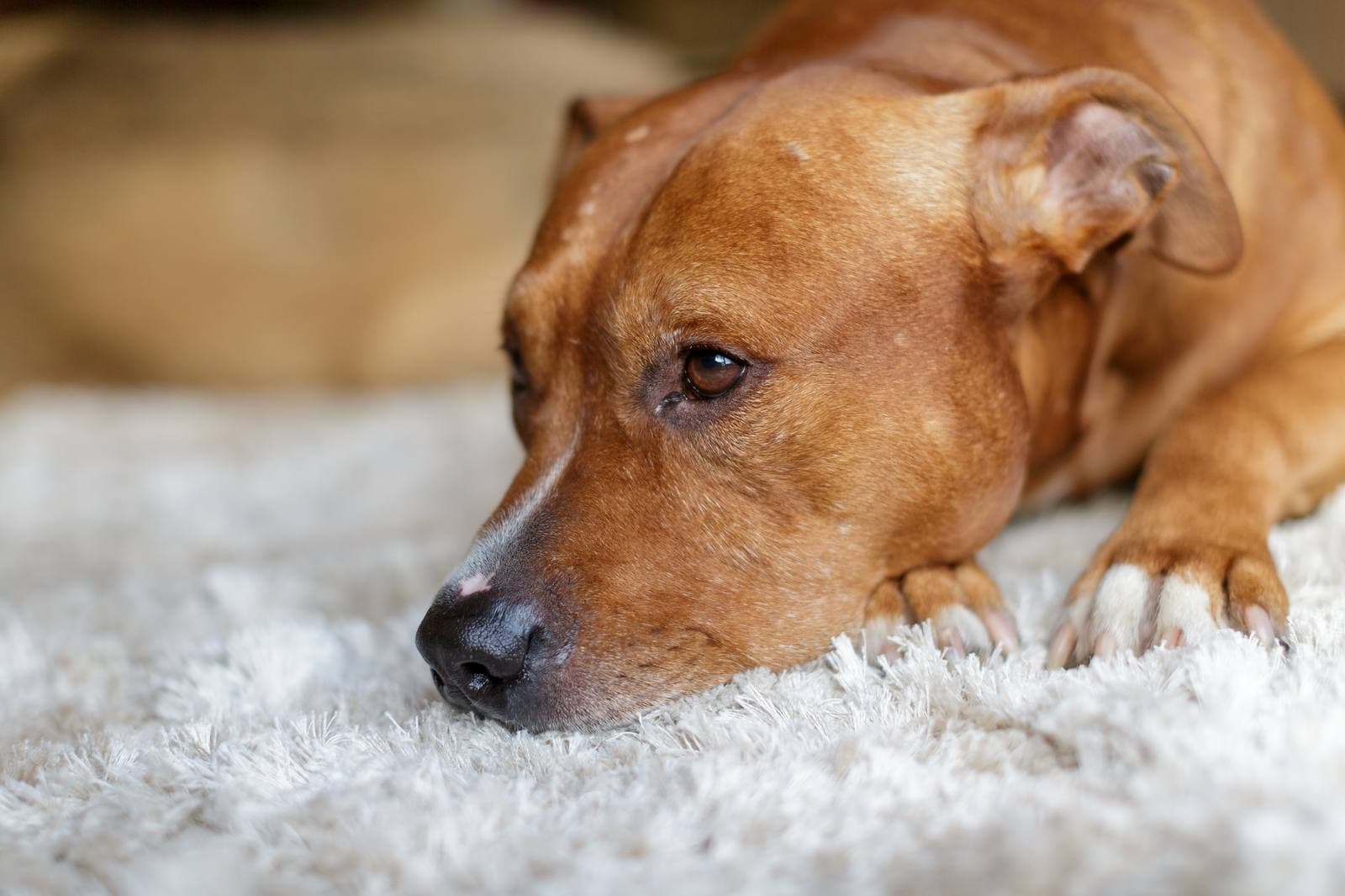
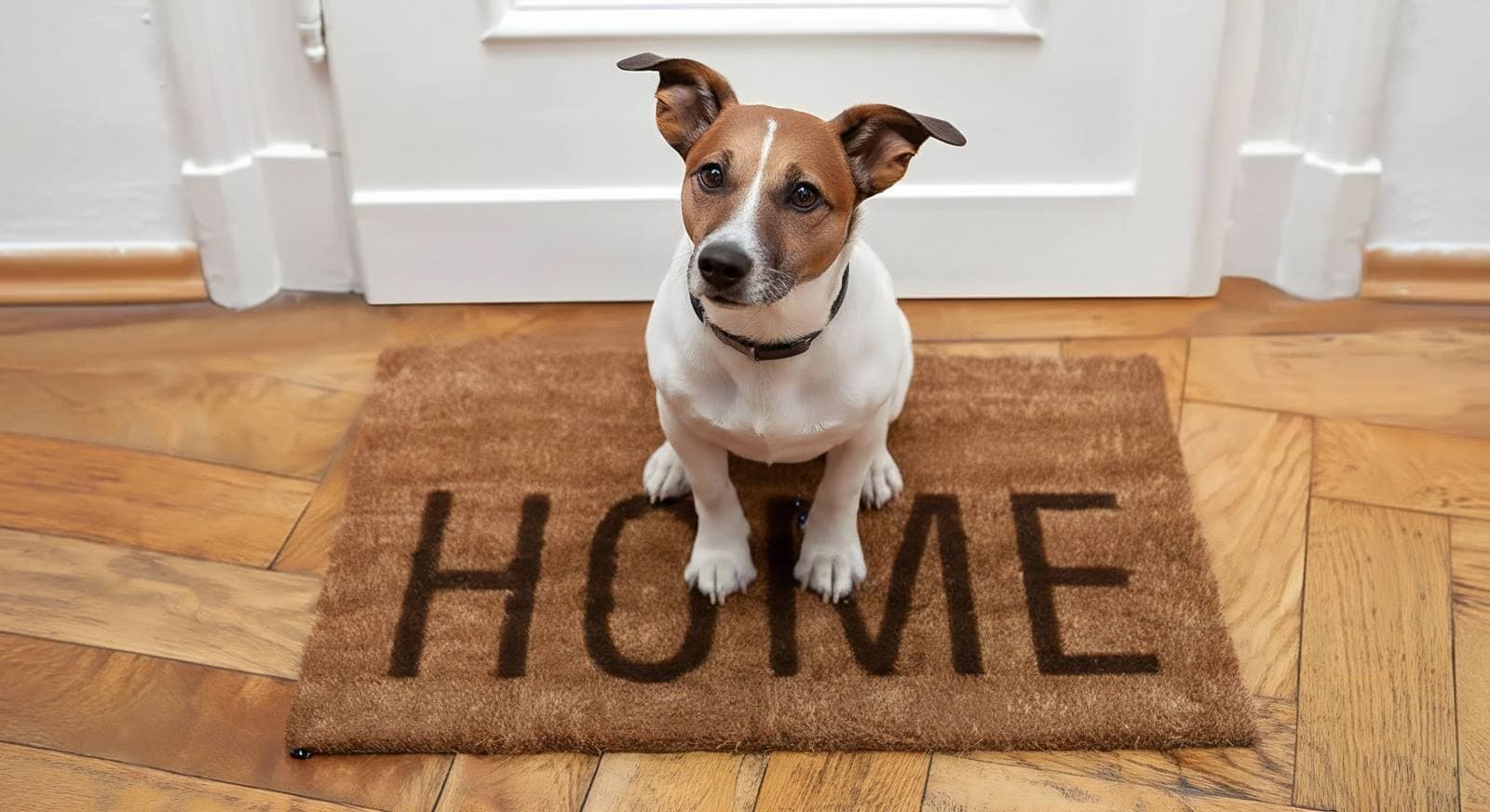
Moving into a new home is one of the biggest changes for an adopted dog. It does not matter how good your intention is. For the dog, everything is unknown: the space, smells, rules, rhythm, people, and sounds. Adaptation is not only about time, but also about how you manage the first days and weeks. Many dogs do not “settle in” because they have not yet had a real chance to understand the environment. A good start does not mean a lot of energy and a lot of attention. It mainly means clarity, routine, and less pressure. Do not try to make everything perfect from the beginning. The dog does not immediately need complex rules, intense closeness, or many new experiences. They need an environment quiet enough to observe and process. The more you reduce pressure, the greater the chances of real adaptation. For a new dog, calm and space are more valuable than constant enthusiasm. A clear resting place is essential. It can be a bed, a quiet corner, or an area where the dog knows they can retreat without being disturbed. This space helps the dog:
  • calm down
  • observe the environment
  • rest
  • regulate emotionally
Without a place of their own, the dog can remain in a state of alert much more easily. Routine helps the dog anticipate what comes next. Without it, the environment remains chaotic and hard to understand. It helps a lot to have:
  • meals at relatively fixed times
  • regular walks
  • clear quiet periods
  • a coherent daily rhythm
You do not need a rigid schedule, but you do need consistency. The dog feels safer when life starts becoming predictable. Do not pull the dog through the house and do not force them to interact with every corner, object, or person. Exploration should come from the dog’s own initiative. When the dog discovers the space at their own pace:
  • they gain more control
  • tension decreases
  • they begin to understand the environment without pressure
Forced exploration can create more insecurity, not more adaptation. Your tone, movements, and reactions are very important. Dogs regulate a lot based on the person’s energy. If you are agitated, inconsistent, or emotional, the dog perceives the environment as less stable. If you are calm and coherent, you communicate that they are not in danger. For a new dog, a stable person is an essential reference point. One of the biggest mistakes is overload. In the first days, avoid combining:
  • many visits
  • walks in crowded places
  • meetings with other dogs
  • frequent routine changes
  • too many new experiences in the same period
Healthy adaptation happens gradually. The dog does not need to “see everything” immediately. They need to understand a few basic things well. Do not react immediately to every behavior. Some things regulate on their own if the environment is good and the pressure is low. Careful observation helps you understand:
  • what scares the dog
  • what calms the dog
  • when the dog needs space
  • when the dog is ready for more
Intervening too quickly can interrupt the natural adjustment process. There will be good days and more difficult days. This is normal. A dog may seem more relaxed today and more withdrawn tomorrow. It does not automatically mean that something is going wrong. Adaptation is not a straight line. It is a process in which safety is built gradually, through repetition and stability. What helps a lot:
  • a quiet environment
  • clear routine
  • personal space
  • interactions without pressure
  • consistent patience
  • fewer stimuli at the beginning
These simple things build the emotional foundation of adaptation. A few mistakes that complicate the process:
  • forcing fast adaptation
  • too much energy and enthusiasm
  • lack of routine
  • exposure to too many new situations
  • misinterpreting behavior
  • lack of a safe place to retreat
The dog does not need to be pushed in order to get used to things. They need good conditions so they can do it on their own. An adopted dog does not need to be “integrated” quickly. They need to feel safe for long enough to lower their guard. Real adaptation appears when the environment becomes predictable, calm, and free of unnecessary pressure.
Share this article: