Black Paws
Blog

Why an adopted dog may seem withdrawn at first

Black PawsBlack Paws
Why an adopted dog may seem withdrawn at first
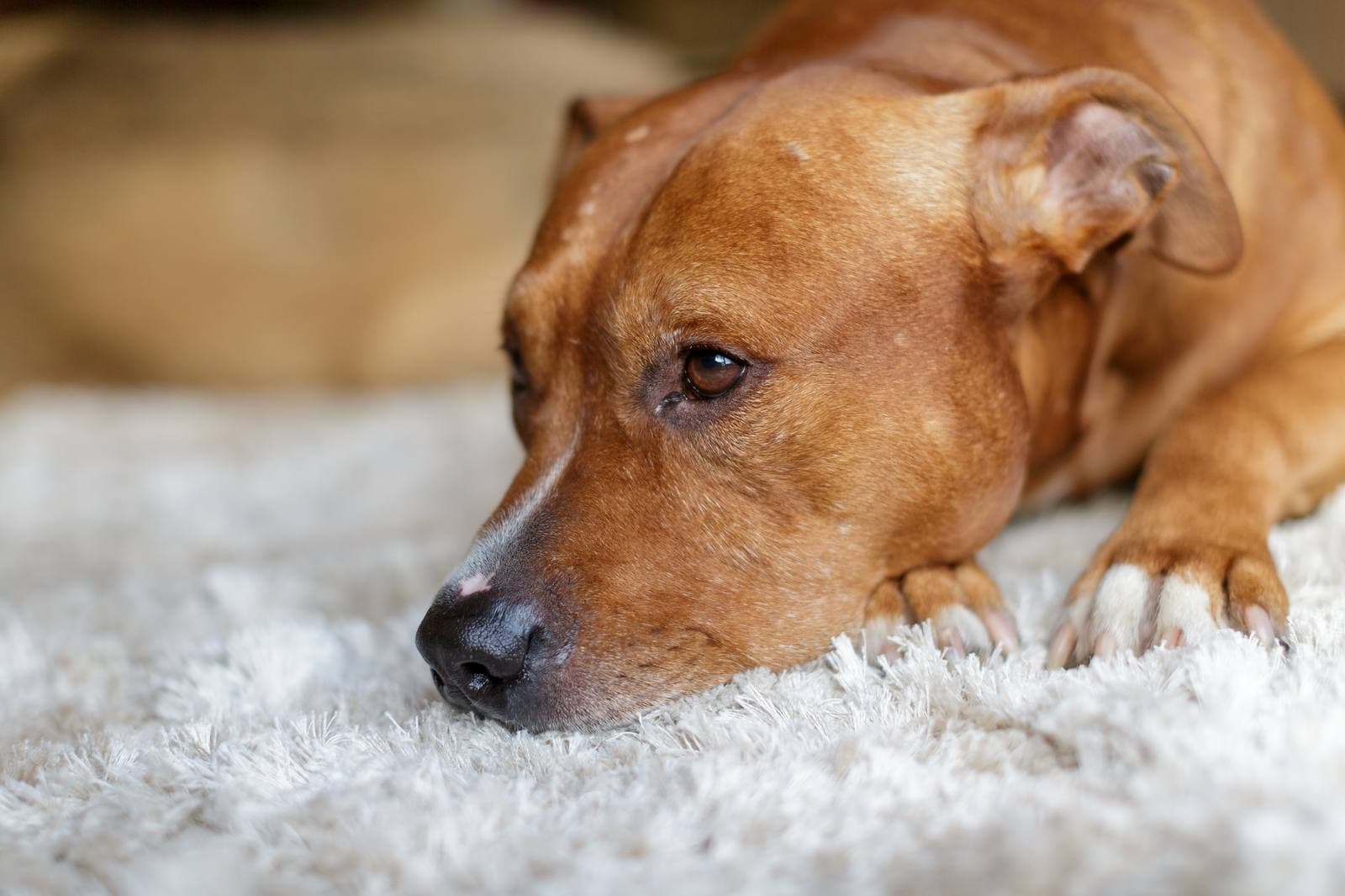
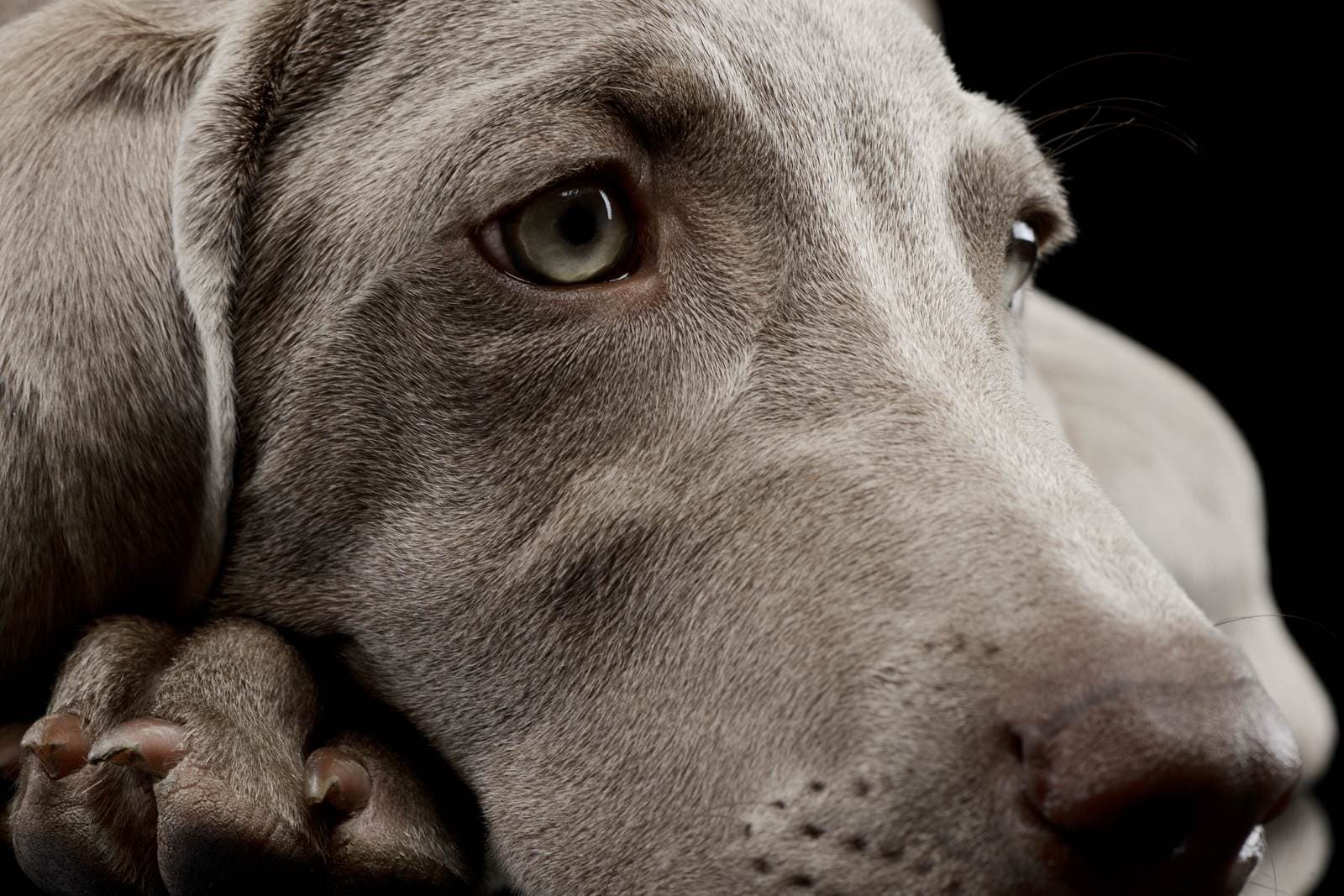
Many adopted dogs are not excited in the first days. They do not explore, do not seek contact, and sometimes completely avoid interaction. This does not mean they are not adapting. It means they are still trying to understand where they are, who the people around them are, and whether the new environment is truly safe. For many adopters, this withdrawal can feel confusing. Some expect immediate joy, quick closeness, or clear signs of affection. In reality, an adopted dog may need time before showing their real behavior. An adopted dog enters a completely different environment:
  • new smells
  • new people
  • new sounds
  • new rules
  • a new rhythm of life
Even if it is a safe place for you, for the dog it is an unknown space. Withdrawal is often a form of observation and self-protection. Instead of reacting impulsively, some dogs temporarily shut down, stay aside, and analyze the environment before engaging. Many people associate stress only with agitation, barking, or hyperactivity. But stress can also look like the exact opposite:
  • excessive silence
  • lack of reaction
  • avoidance
  • sleeping a lot
  • withdrawal
  • refusal to interact
A withdrawn dog can be a highly stressed dog, even if they do not seem ā€œproblematicā€ on the surface. Trust does not appear instantly. The dog does not yet know who you are, how you react, whether the environment is stable, and whether they can relax next to you. For some dogs, closeness comes quickly. For others, it appears only after they have observed for a while that they are not pressured, corrected, or placed in difficult situations. Withdrawal does not mean rejection. It means caution. Some dogs come from difficult environments:
  • abandonment
  • lack of stability
  • isolation
  • crowded spaces
  • constant stress
  • lack of healthy interaction
These experiences directly influence the way they react in a new environment. A dog who has learned that the world is unpredictable will not trust immediately just because they have entered a better home. For that dog, safety must be confirmed through repetition. The first days do not define the dog. Many dogs seem withdrawn at first and later become active, playful, curious, and much more affectionate. Adaptation is not linear. It can include:
  • better days
  • harder days
  • periods of closeness
  • periods of withdrawal
This is normal. It does not mean the process is going badly. Instead of forcing interaction, it is more useful to create good conditions so withdrawal can gradually turn into trust. What helps a lot:
  • keeping the environment calm
  • establishing a simple routine
  • offering a clear place to retreat
  • avoiding many visits at the beginning
  • not following the dog around the house
  • letting the dog approach at their own pace
The lower the pressure, the better the dog’s chances of opening up naturally. A few common mistakes can prolong this state of withdrawal:
  • forcing physical contact
  • interpreting withdrawal as a ā€œbehavior problemā€
  • exposing the dog too quickly to many stimuli
  • becoming frustrated because the dog does not respond as you hoped
  • asking for too much too soon
For a dog who is still on alert, extra pressure does not build a relationship. It builds defensiveness. Progress does not always come through big gestures. Sometimes it appears in small things:
  • the dog stays more relaxed in the same room with you
  • starts exploring more
  • sleeps more peacefully
  • accepts your presence more easily
  • approaches on their own more often
  • responds more calmly to routine
These small signs matter a lot. They show that the environment is beginning to feel safe. A withdrawn dog is not a cold, ungrateful, or problematic dog. Very often, it is a dog who is still trying to understand whether they can lower their guard. With patience, structure, and less pressure, this withdrawal can turn into real trust.
Share this article: