The space must reduce unnecessary exposure
- distinct areas for intake, quarantine, rehabilitation, and adoption;
- avoiding permanent visual contact between all dogs;
- corridors and paths that reduce agitation;
- buffer zones between the most active spaces and the areas that need to remain quieter;
- places where the animal can have more privacy and predictability.
Good design also creates opportunities to go out, not only to be housed
- outdoor yards;
- walking areas;
- controlled socialization spaces;
- green surfaces;
- shaded areas;
- clear routes for taking dogs out without chaos.
Materials and acoustics matter more than it may seem
- reducing reverberation;
- materials that do not unnecessarily amplify sound;
- smarter compartmentalization;
- distance between certain areas;
- avoiding configurations that encourage cascading barking.
Low stress also means a logical flow for people
- clear intake and evaluation flows;
- handling that is as gentle and efficient as possible;
- separation of sensitive areas;
- easy access to materials and equipment;
- reducing unnecessary movement and repeated disturbances.
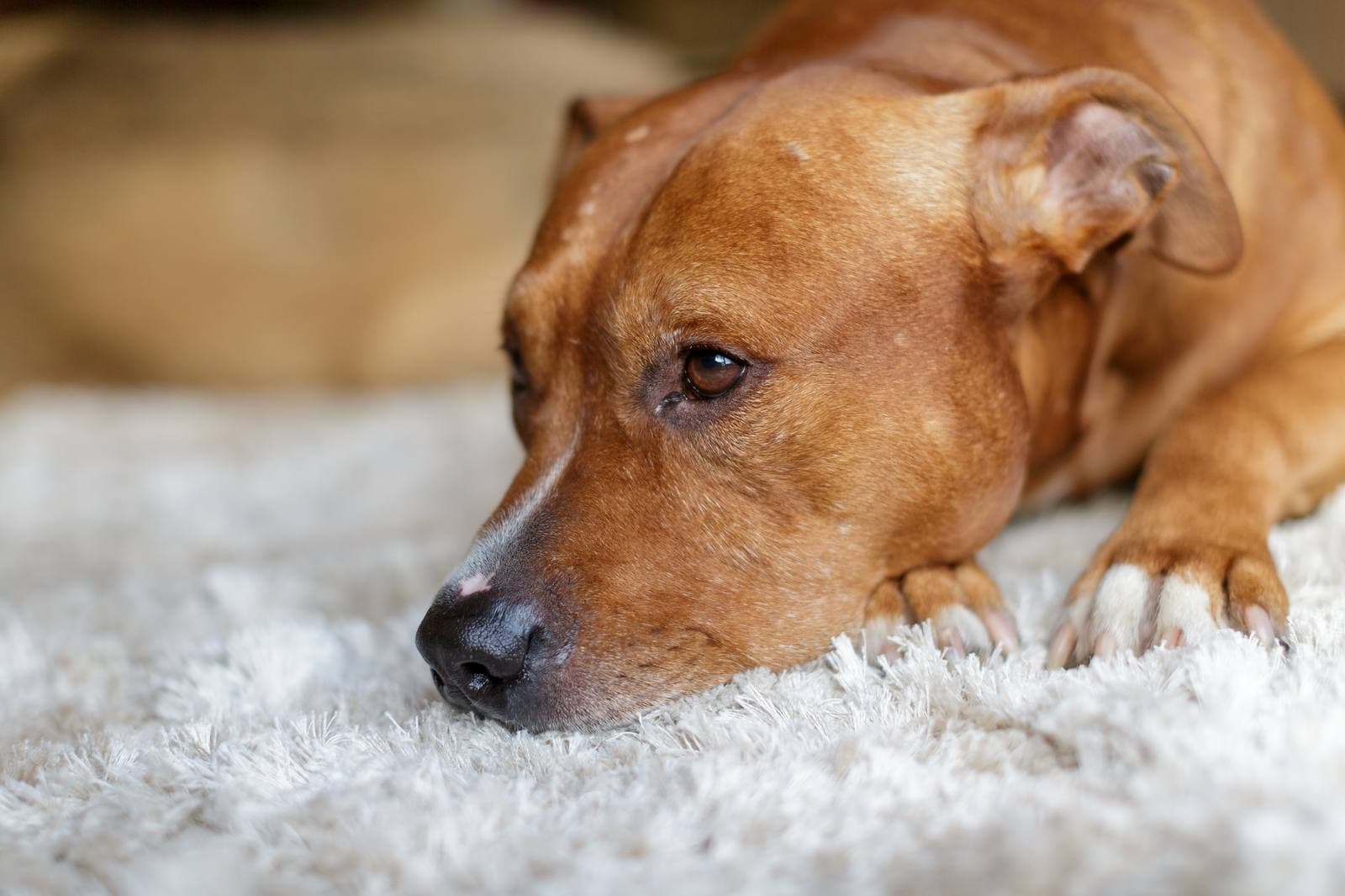
Space can support emotional recovery
Why this matters for Black Paws
- rescue;
- stabilization;
- proper socialization;
- preparation for adoption;
- education for people;
- design that supports all these objectives.