Black Paws
Blog

How to help a scared dog gain confidence

Black PawsBlack Paws
How to help a scared dog gain confidence
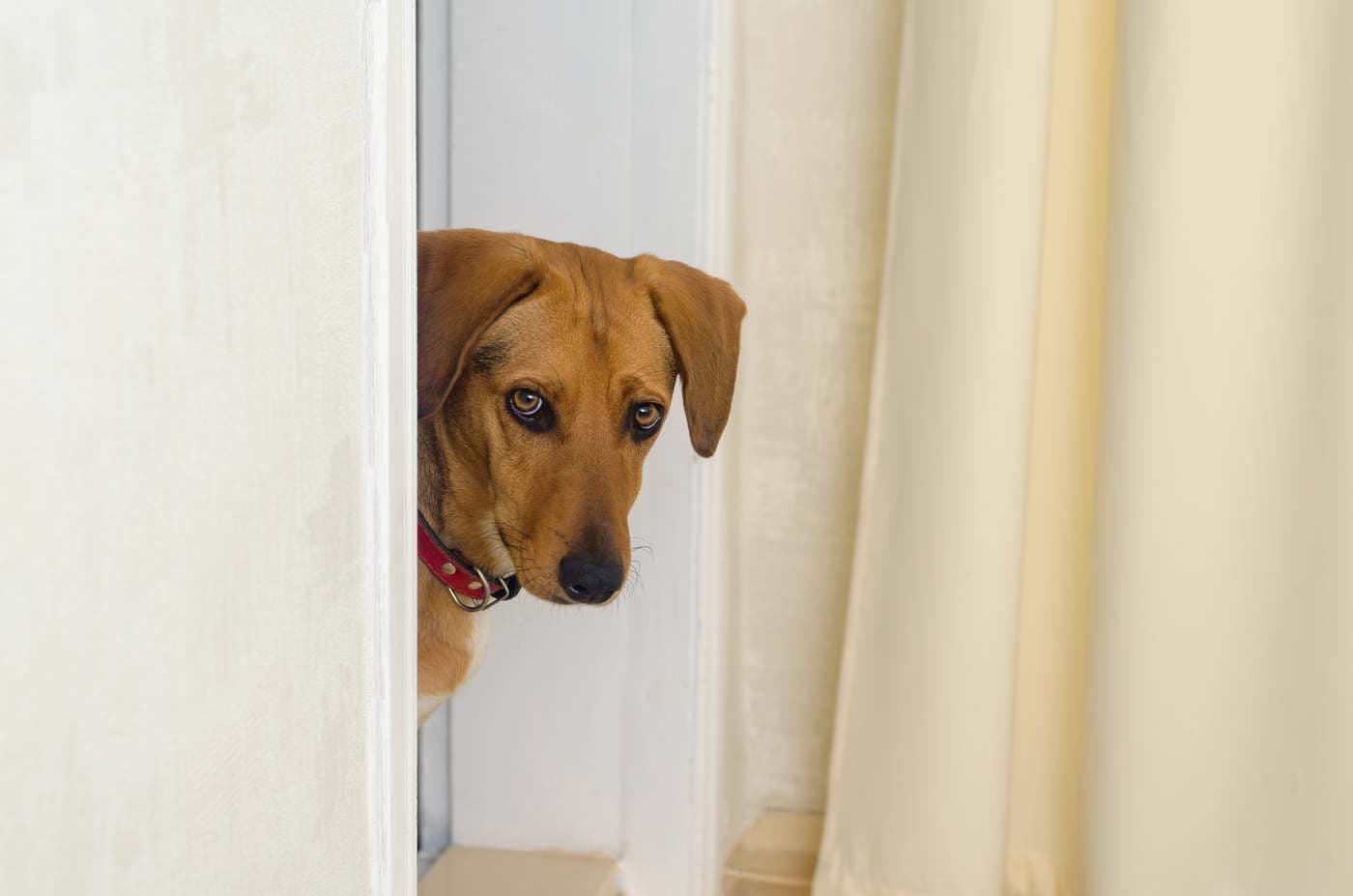
A scared dog does not need corrections, pressure, or forcing. They need time, stability, and an environment where they do not feel they must constantly defend themselves. Trust does not appear from one single action, but from the repetition of safe experiences. For many people, the temptation is to solve the problem quickly. They want the animal to calm down, come closer, and react “normally.” But fear does not disappear when it is pushed. It fades more easily when the dog discovers on their own, step by step, that they are no longer in danger. Fear is not wrong behavior. It is a normal reaction to an environment perceived as unsafe. If you try to stop it quickly without understanding it, you will increase pressure. A scared dog needs to feel that they are not forced to react. Sometimes, the best beginning is not intense intervention, but reducing pressure and observing carefully. Many people try to “break the ice” through closeness, petting, or constant talking. For an insecure dog, this can feel like an invasion. Instead of constantly calling the dog or touching them when they are not ready, it is better to give them space. Let the dog decide when and how they approach. Real trust is not built when the dog gives in to pressure. It is built when the dog chooses closeness on their own. Scared dogs calm down when they can anticipate what comes next. Routine, clear movements, and consistent behavior from you reduce anxiety. What helps a lot:
  • the same meal times
  • regular walks
  • stable reactions from you
  • fewer sudden changes in the environment
When life becomes predictable, the dog begins to lower their guard. Noise, visits, agitation, or overloaded spaces can keep the dog in a state of alert. In the first days or weeks, less often means better. A scared dog does not need many new experiences at the same time. They need a simple and calm foundation. Sometimes, the best intervention is not to get closer. Distance gives the dog space to observe without feeling threatened. If you allow the dog to study you from a distance where they still feel in control, over time they will begin to reduce that distance on their own. This progress is much more valuable than closeness obtained through pressure. You do not need spectacular techniques. You need consistency. A scared dog learns through repetition that the environment is safe. If today you are calm, tomorrow agitated, then frustrated, and then calm again, the dog does not know what to expect. Consistency is one of the most important forms of help. A scared dog may avoid, freeze, refuse closeness, or react chaotically. These reactions do not automatically mean stubbornness or lack of respect. Very often, they only mean that the animal does not feel safe enough to clearly process what is happening. When fear is misinterpreted, the person tends to add even more pressure. Real trust does not appear in a few days. Every small progress matters:
  • the dog approaches on their own
  • explores more
  • relaxes in your presence
  • eats more calmly
  • withdraws less
  • responds more calmly to routine
These small signs show that the environment is beginning to feel safe. What helps a lot:
  • a quiet and stable environment
  • clear daily routine
  • lack of social pressure
  • personal space for the dog
  • short and calm interactions
  • real patience
You do not need to do everything quickly. It is more important to do things clearly and consistently enough. Mistakes that slow the process include:
  • forcing contact
  • too much energy and enthusiasm
  • rapid exposure to people or dogs
  • interpreting fear as “disobedience”
  • lack of consistency
  • wanting visible progress immediately
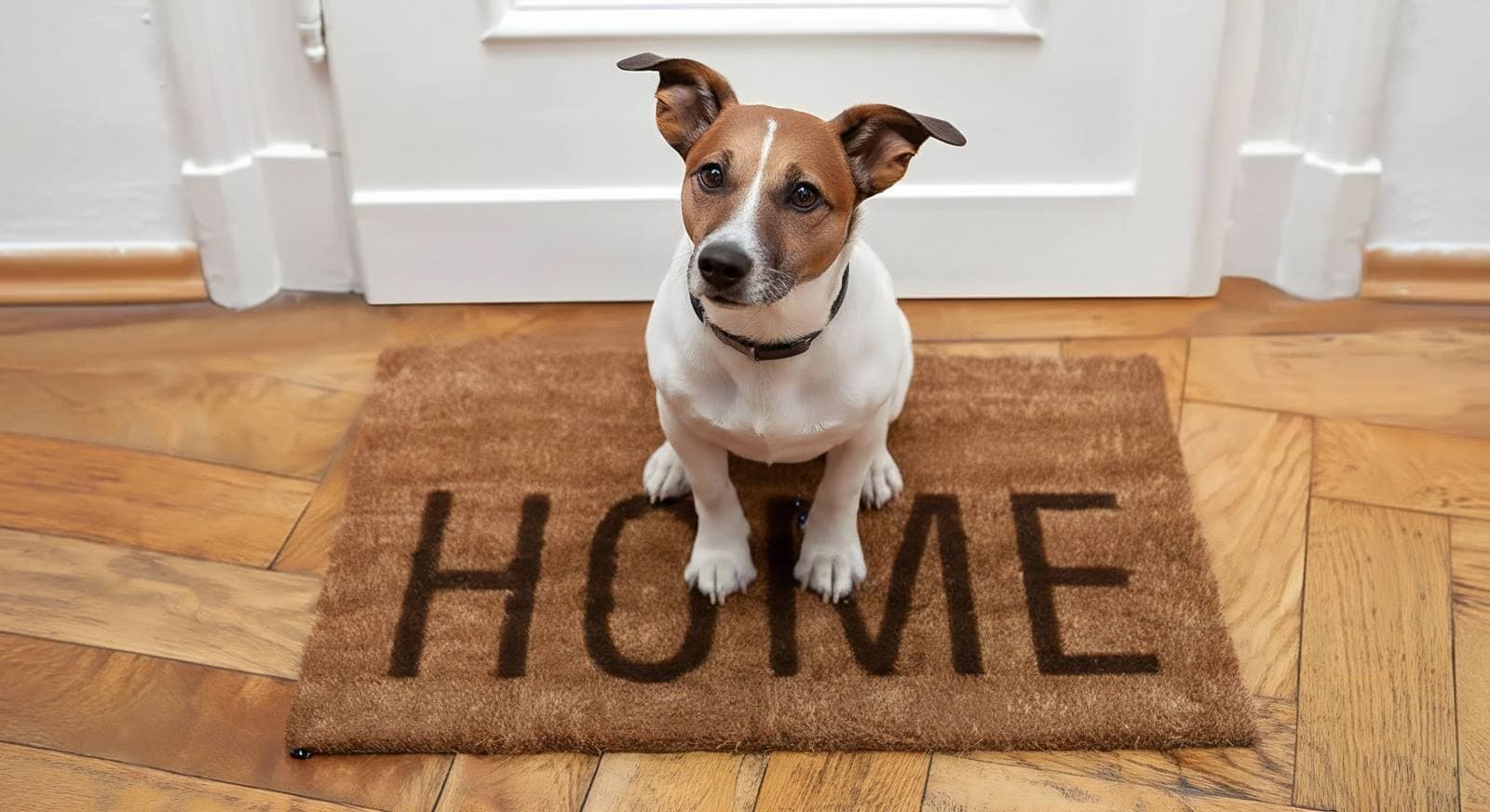
For a scared dog, rhythm is essential. A scared dog does not need to be “fixed.” They need to discover on their own that they are no longer in danger. Trust appears when the environment stays safe long enough, and the person in front of the dog becomes a stable reference point, not a source of pressure.
Share this article: