Black Paws
BlogMay 13, 2026

Why a Dog Should Not Be Forced to Interact

Black PawsBlack Paws
Why a Dog Should Not Be Forced to Interact
Many people believe that dogs should be “socialized” through constant interaction with people and other dogs. In reality, forced interaction can create the opposite effect: stress, avoidance, and reactivity. For many dogs, having control over distance and interaction pace is extremely important for emotional balance. Some dogs are highly social and quickly seek contact. Others need:
  • more time;
  • observation;
  • space;
  • predictability;
  • calmer interaction.
Forcing sensitive dogs into interaction too quickly can increase insecurity. When a dog:
  • cannot avoid contact;
  • is physically restrained nearby;
  • is forced to tolerate closeness;
  • is constantly invaded socially;
the nervous system may enter a state of alertness. Many dogs react not because they “dislike people,” but because they do not feel safe. Before intense reactions happen, many dogs attempt to communicate discomfort through:
  • avoiding eye contact;
  • turning the head away;
  • body tension;
  • retreating;
  • lip licking;
  • stiffness.
When these signals are ignored and interaction continues, stress levels can rise dramatically. If dogs are repeatedly pushed into overwhelming situations:
  • people may become predictors of stress;
  • closeness may trigger anxiety;
  • reactivity may increase;
  • trust may decrease.
Repeated negative experiences strongly shape behavior. Many dogs become calmer when:
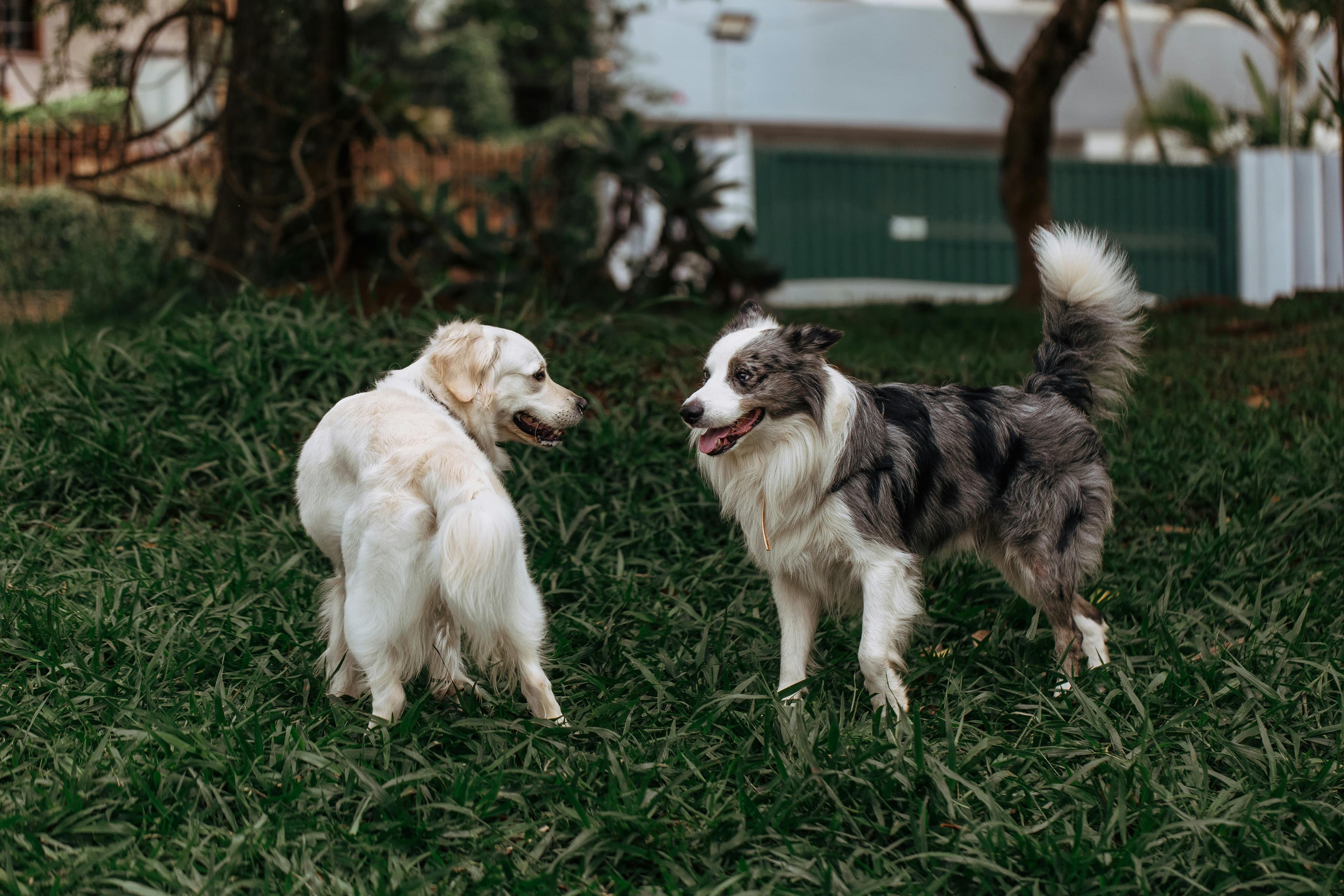
  • they can choose to approach;
  • they can keep distance;
  • they can observe without pressure;
  • they are not forced into interaction.
Control over the situation reduces tension and insecurity. The goal of healthy socialization is not for dogs to interact with everyone. The goal is for dogs to:
  • regulate emotionally;
  • avoid panic;
  • process the environment in healthy ways;
  • remain emotionally balanced.
Sometimes calm observation alone is enough. Forcing interaction does not automatically create trust or balance. For many dogs, emotional safety appears when they have time, space, and the ability to control the pace of interaction. Respecting a dog’s emotional boundaries can profoundly improve both recovery and relationships.
Share this article: